
Introduction
The Modern Mullet has grown into one of the most recognizable hairstyle trends in the United States, popping up everywhere from viral TikTok clips to athletes showing it off on game day. If you’ve been thinking about trying this bold, stylish cut but want a clear, beginner-friendly guide before committing, you’re exactly where you need to be. This article explains what the Modern Mullet actually is, how it works, and whether it suits your face shape, daily routine, and hair texture.
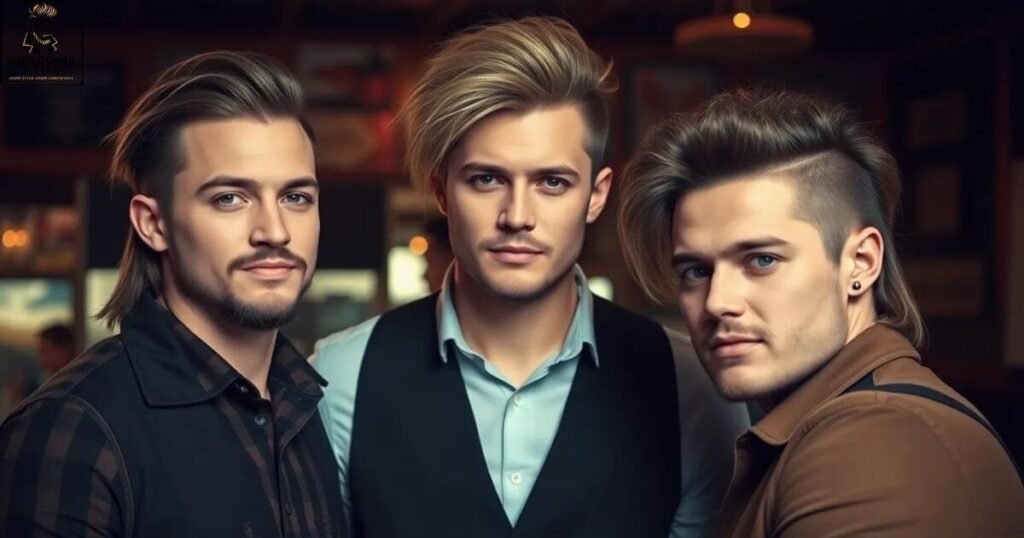
You’ll also learn how to communicate with your barber confidently, what price range to expect, and what typically happens during the appointment. Consider this your complete step-by-step road map perfect whether you’re planning your first-ever mullet or refreshing the one you already have. By the end, you’ll know which version matches your personality and how to style it without any frustration.
What Is a Mullet Hairstyle?
A mullet hairstyle is a cut where the hair stays short in the front and noticeably longer in the back. Many people describe it as the classic business in front and party in the back look. The Modern Mullet takes that familiar shape and gives it a fresh upgrade with smoother blending, textured layers, and sharper detailing that match current trends. If you have ever wondered what a mullet haircut really means or needed a simple definition, this section gives you a clear starting point.
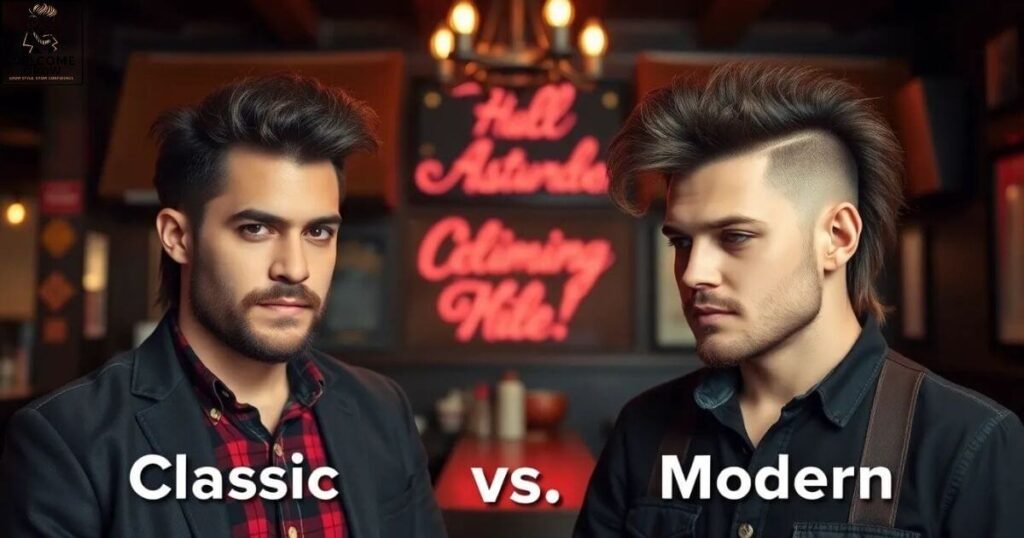
Most versions follow the basic structure of short in the front and long in the back, but the exact length can change based on your personal style. People often ask what makes a haircut a mullet. The answer is straightforward. As long as the cut shows a clear difference between the top, the sides, and the back, it qualifies as a true mullet.
History of the Mullet Haircut
The history of the mullet goes much deeper than most people expect. Early records show that ancient warriors and travelers kept the back of their hair long to stay warm, while the front stayed short so their vision remained clear. Over time, this practical idea slowly transformed into what we now recognize as the mullet hairstyle. Centuries later, the cut rose again as a major trend in pop culture.
Quick Timeline of the Mullet
| Era | What Happened |
| Ancient Times | Early versions used for comfort and practicality |
| 1970s | Rock icons like David Bowie helped introduce the modern version |
| 1980s | The mullet became a popular American hairstyle |
| 1990s to 2000s | Trend declined as new styles appeared |
| 2020s | A major revival began through social media and TikTok |
Why It Became Iconic
- Celebrities such as Billy Ray Cyrus made the mullet unforgettable
- It blended comfort with a rebellious edge
- Its simple structure allowed people to customize it easily
Most people ask when this style made a comeback. The answer is the rise of social media trends that brought the mullet back into the spotlight. The modern mullet trend mixes nostalgia with updated styling for 2025.
Why the Mullet Is Making a Comeback
The return of the Modern Mullet surprised a lot of people, yet it fits perfectly with how fashion trends move in cycles. Styles from past decades often return with new twists, and the mullet represents individuality along with a bit of nostalgia. Social platforms played a huge role in the mullet TikTok revival of the 2020s, showing millions of users fresh, creative versions of the cut.
Top Reasons for the Comeback
This style has found new fans among today’s biggest names in sports, music, and entertainment:
Sports Icons:
- Jaromir Jagr (NHL Legend) – Made the hockey mullet legendary and still rocks variations today
- Patrick Mahomes (NFL Quarterback) – Sports a clean, tapered modern version
- Tyson Fury (Heavyweight Champion) – Known for his bold, longer mullet style
- Matthew Tkachuk (NHL Star) – Brings the classic hockey mullet to 2025
Music Artists:
- Morgan Wallen (Country Music) – One of country music’s most recognizable mullet style
- Machine Gun Kelly: Experiments with colored, punk-inspired mullet variations
- Bad Bunny Has sported textured mullet styles with Latin flair
Entertainment & Social Media:
- Joe Exotic (Tiger King) – Made the dramatic long mullet iconic (though controversial)
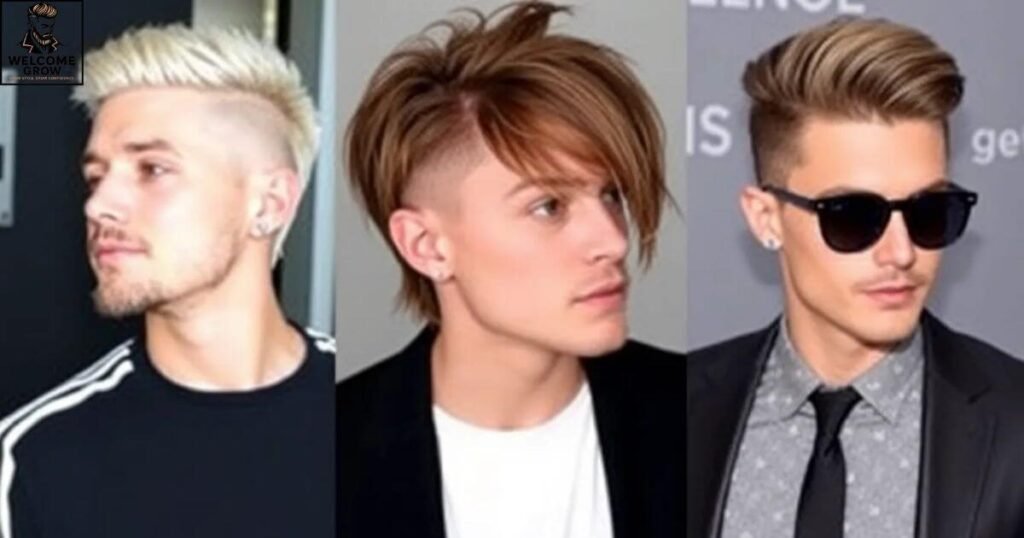
Why These Matter: These celebrities prove the Modern Mullet works across industries, from professional sports to music stages, making it a genuinely versatile style for 2025.
Mullet Haircut Pros and Cons
The Modern Mullet gives people a fun way to express themselves while keeping hair simple to manage. Many choose it because it complements a wide range of hair types and stands out in a stylish way. If you have ever searched for answers about whether a mullet is worth trying, these points will help you decide.
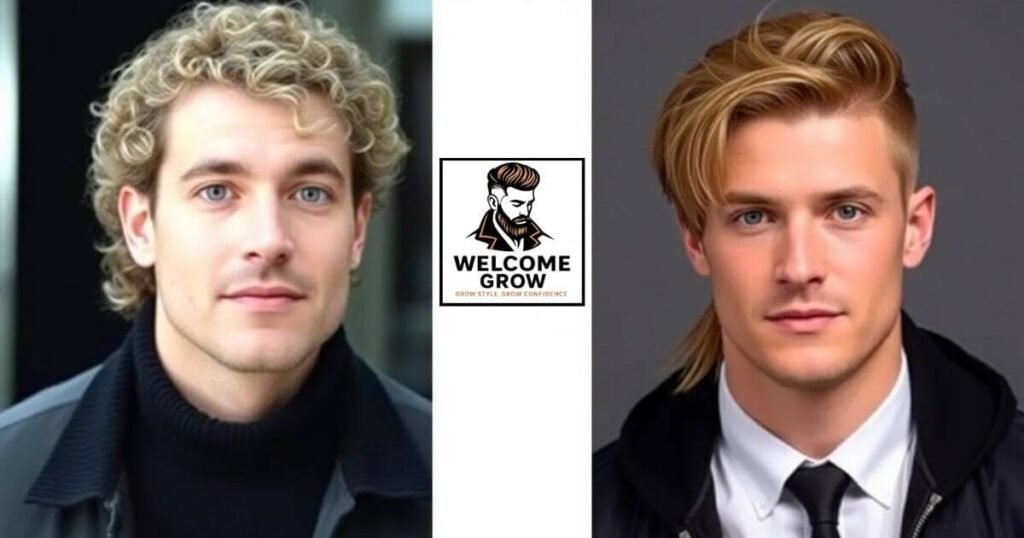
Pros of a Mullet Haircut
- Suitable for straight, curly, and wavy hair
- Adds volume in the back without requiring a complicated routine
- Matches popular trends such as textured cuts and the Gen Z mullet style
- Keeps the front neat for school or work settings
Cons of a Mullet Haircut
- Some people feel uncomfortable during the growth phase
- Certain workplaces may not accept bold hairstyles
- Thick hair might need frequent trimming to stay in shape
Best Face Shapes for Mullet Hairstyles
Choosing the right Modern Mullet begins with understanding your face shape. The right match can balance your features, add height, or soften sharper angles. Barber clients search what face shape suits mullets because the correct pairing makes the style look confident and polished.
Face Shape and Mullet Match TableSimple Tips
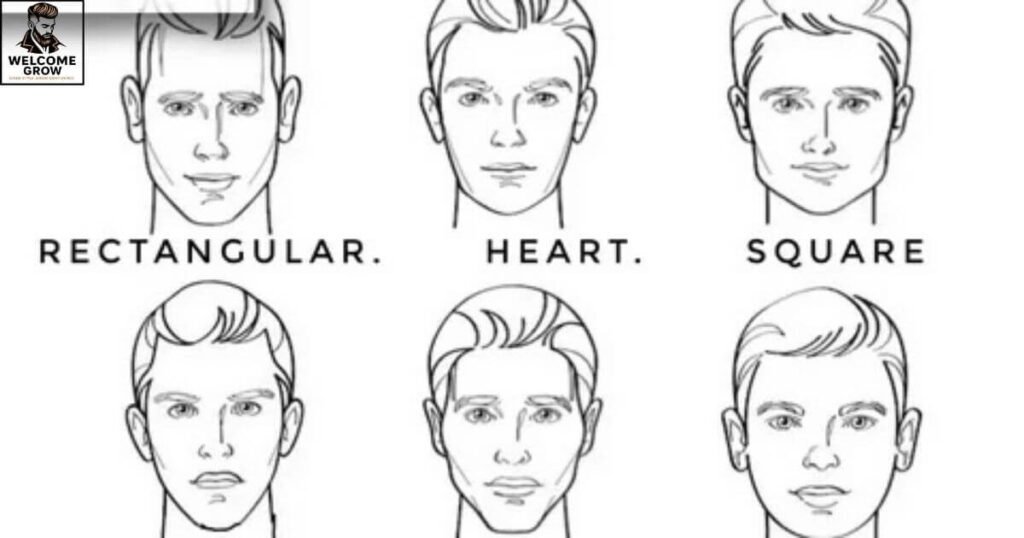
| Face Shape | Why It Works | Recommended Style |
| Round | Adds length and reduces width | Mullet for round face with extra length on top |
| Square | Soft layers balance strong jaw | Feathered side mullet |
| Oval | Works with almost all variations | Any well tailored mullet |
| Diamond | Fills narrow forehead and chin | Longer fringe mullet |
| Heart | Adds fullness near nape | Best mullet for heart shape |
- Keep more height on top if you want a longer looking face
- Add light layering near the cheekbones to create better symmetry
- Use a face shape mullet guide for 2025 to narrow down your best match
Quick Check
Take a clear selfie in natural light to identify your face shape before scheduling your haircut.
Mullet Styles for Different Hair Types
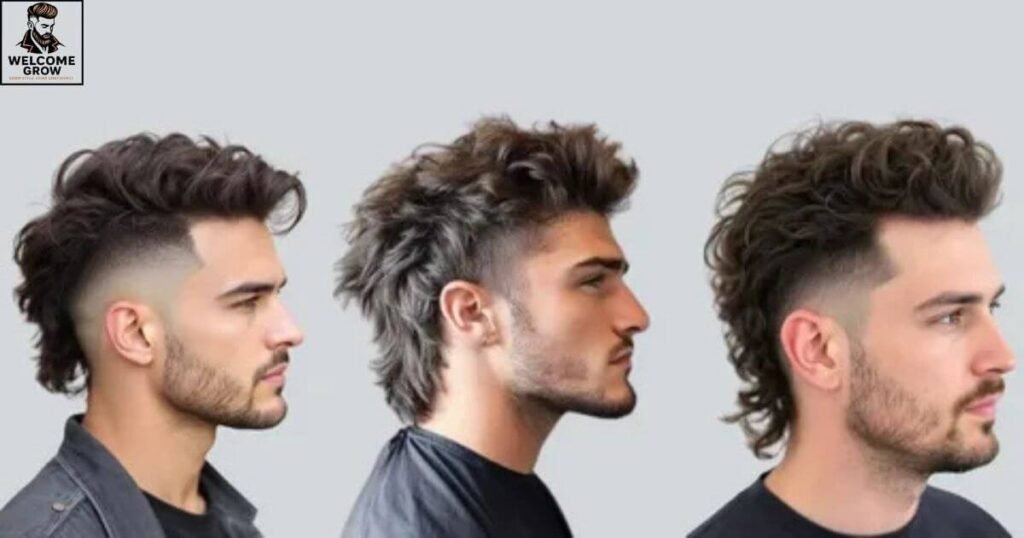
Your hair type plays a major role in how a Modern Mullet looks, moves, and holds its shape. The right version can highlight your natural texture and make daily styling simple.People often search for mullet ideas based on hair type because curly, straight, wavy, and coily hair each need a different cutting approach.
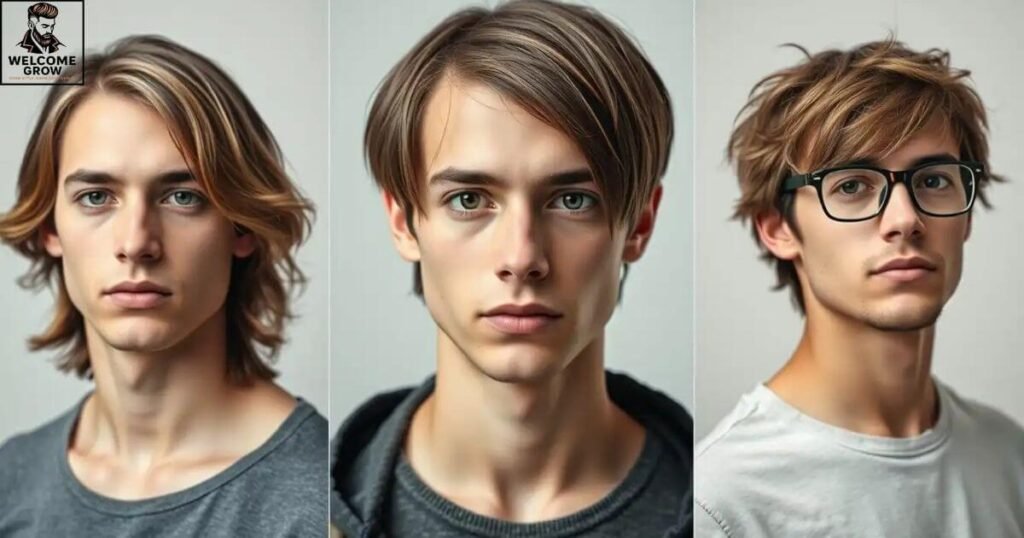
Hair Type Breakdown
Curly Hair
A curly mullet adds bounce and creates a bold outline. Light shaping around the temples keeps the curls defined while preventing extra volume from spreading outward.
Wavy Hair
A wavy mullet works smoothly with natural movement. Soft layers help the waves fall in a relaxed and effortless way.
Straight Hair
A straight textured mullet needs small layers to avoid a flat or stiff appearance. These layers help the ends move naturally.
Coily Hair
A coily mullet requires careful shaping so the curls stay defined instead of shrinking tightly. Curl creams or leave-in products help maintain length and structure.
Style Match Tip
Bring a reference photo that shows your hair type. This helps the stylist choose the most suitable version for you.
Mullet Haircut for Different Hair Densities
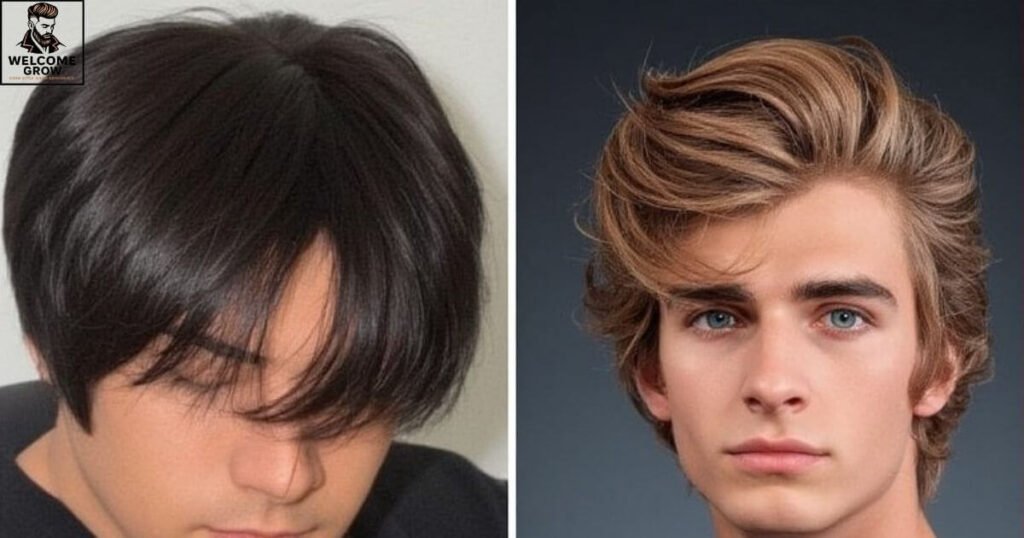
Hair density strongly affects how a Modern Mullet sits and moves. The right technique helps create balance, reduces unwanted bulk, and improves overall shape. Viewers commonly search for mullet ideas for thick or thin hair because density changes how the cut behaves every day.
Density Guide
Thick Hair
Thick hair needs stronger layering. A thick hair mullet uses deeper layers to remove bulk and keep the back light. Barbers often use thinning shears to control puffiness.
Thin Hair
A thin hair mullet benefits from soft micro-layers that create lift. Lightweight powders or sprays help add fullness near the crown.
Medium Density
Medium density fits most mullet styles. It stays manageable, shapes easily, and needs only regular trims.
Quick Reference Table
| Density | Best Technique |
| Thick | Heavy layering for thick hair mullets |
| Thin | Volumizing approach for fine hair |
| Medium | Light texture for balanced shape |
Pro Check
Ask your barber to identify your density before the cut. It helps create the exact shape your hair needs.
Mullet Haircut for Different Lifestyles
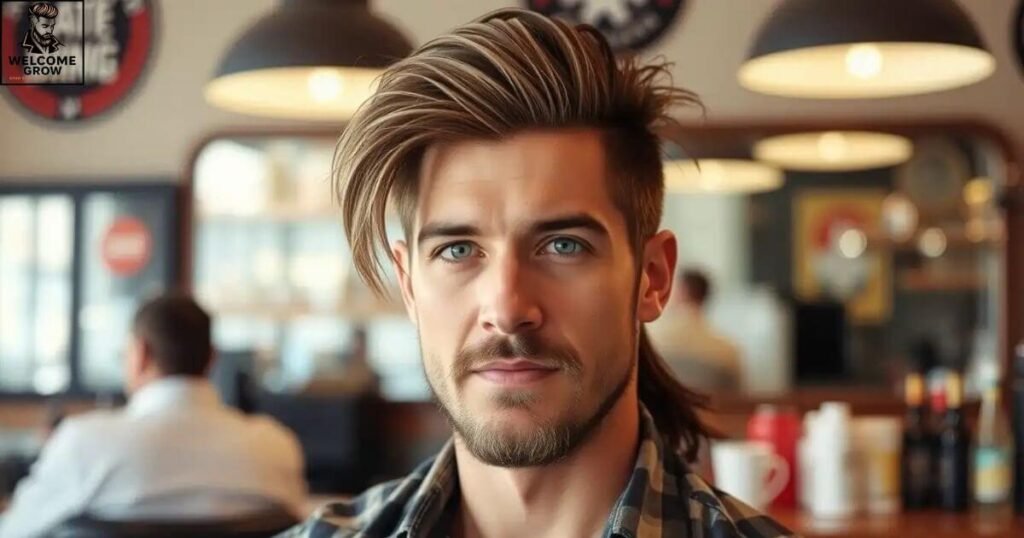
Your lifestyle influences how much time you want to spend styling your Modern Mullet. Hairstyle fans search for low maintenance mullet ideas because they want a trendy cut that fits school, office routines, gym sessions, or frequent travel. The good news is that the mullet adapts easily to all kinds of schedules.
Lifestyle Guide
Students
A low maintenance mullet is perfect for students. The front stays neat for school while the back gives a bit of personality. It can be styled in a few minutes.
Office Workers
A professional mullet style has a clean top with gentle flow at the back. A low taper makes it suitable for workplace settings.
Athletes
A gym-friendly mullet stays out of the eyes and holds shape during movement. Sweat resistant products help if you train often.
Travelers
A travel-friendly mullet stays consistent in different weather conditions and requires minimal upkeep.
Lifestyle Fit Tip
Think about when you need to look your best. Your daily routine helps decide which version suits you.
Finding the Right Barber for a Mullet
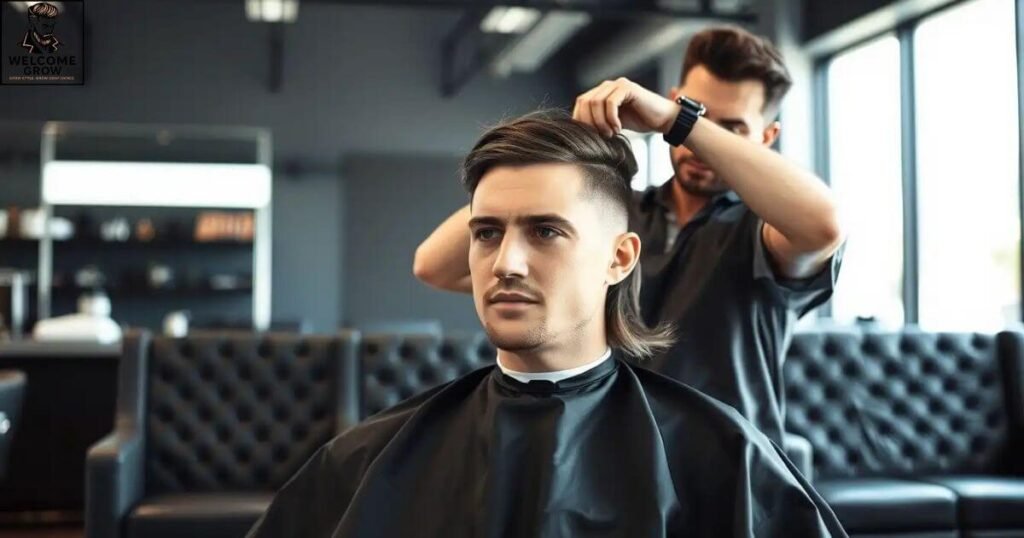
Choosing the right barber is one of the most important steps when getting a Modern Mullet. A skilled barber understands mullet cutting techniques and knows how to create clean texture, movement, and structure. This prevents uneven shapes and disappointing results.
Quick Checklist
- Check the barber’s portfolio for recent mullet photos
- Read reviews that mention mullet haircut experience
- Ask if they offer disconnected mullets or textured mullet styles for 2025
Pro Insight
Bring clear reference photos and discuss the mullet haircut length guide during your visit. A short conversation before the cut helps the barber understand your exact goal.
Book a Trial
Schedule a small trim or consultation first. This gives you a chance to judge the barber’s skill before committing to a full Modern Style.
Mullet Haircut Consultation Tips
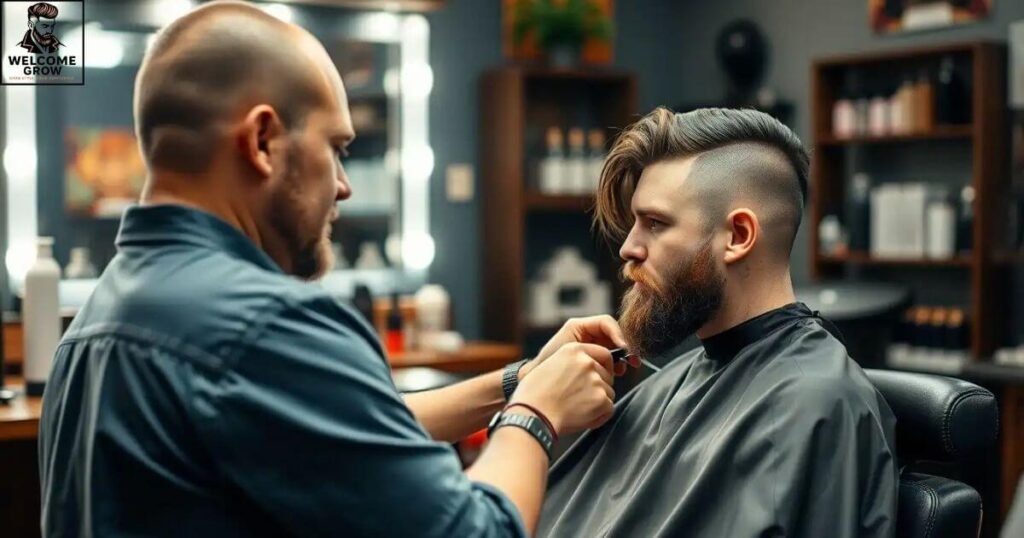
A good consultation ensures you get the Modern Mullet you imagine without confusion. Individuals often search for mullet consultation tips because they are unsure how to explain their preferences. Clear communication helps your barber match your expectations.
What to Discuss
- The exact length you want in the back based on a mullet length guide
- Whether you prefer soft blending, choppy texture, or a clean taper
- Your hair density and how it influences the final shape
- Your lifestyle including school, office, or sports routines
Expert Tip
Bring two or three reference pictures. Showing visuals helps your barber understand your style direction and avoids misunderstandings.
Prepare First
Spend a few minutes writing down your goals before your appointment. Even small details help shape a perfect Mullet.
What to Bring to Your Mullet Haircut Appointment
Bringing the right items can make your Modern Mullet appointment smooth and stress free. Many first timers search what to bring for a mullet appointment because they want to feel prepared and avoid forgetting something important. A simple checklist helps you go in with confidence.
What You Should Bring
Reference Photos
Photos help your barber understand the exact length and shape you want.
Comb or Brush
Useful if your hair tangles easily or needs to be smoothed before the cut.
Your Regular Hair Product
Showing the product you already use helps the barber match the same finish.
A Hat
Good for windy weather after the appointment, especially if you are traveling.
Quick Table: Essentials vs Optional
| Item | Use |
| Photos | Show length and style direction |
| Clean hair | Helps the barber shape accurately |
| Products | Keep your styling routine consistent |
| Hat | Protects the cut from weather |
Trust Tip
Arrive with clean hair so the stylist can read your natural texture.
Small Prep Wins
Pack these items the night before to keep your mullet appointment simple.
Mullet Haircut Cost and What to Expect
Knowing the price range helps you plan your Modern Mullet without last minute surprises. Styling seekers search mullet haircut price USA because cost depends on location, barber experience, and extra services. Understanding the average range helps you choose the right shop for your budget.
Average Cost Breakdown
Basic mullet trim: 20 to 35 dollars
Full mullet with texture: 40 to 70 dollars
High end barbers or salons: 80 to 150 dollars
Extras: Fades, beard work, or detailed texture can increase the price
Pricing Table
| Service | Average Price |
| Simple trim | 20 to 30 |
| Full textured mullet | 40 to 70 |
| Premium barber | 80 to 150 |
Pro Insight
Ask for clear pricing before the cut begins. Each barber uses different methods, so cost can change depending on taper height, layering, or texture work.
Budget Smart
Choose a barber with transparent pricing so you always know what your mullet style will cost.
Mullet Haircut Terminology: Key Terms to Know
Understanding basic mullet terms helps you talk confidently with your barber. Those wonders who search mullet vocabulary guide or mullet terminology 2025 because the cutting language can feel confusing at first. Learning a few simple terms makes your consultation easier and helps you explain your exact style.
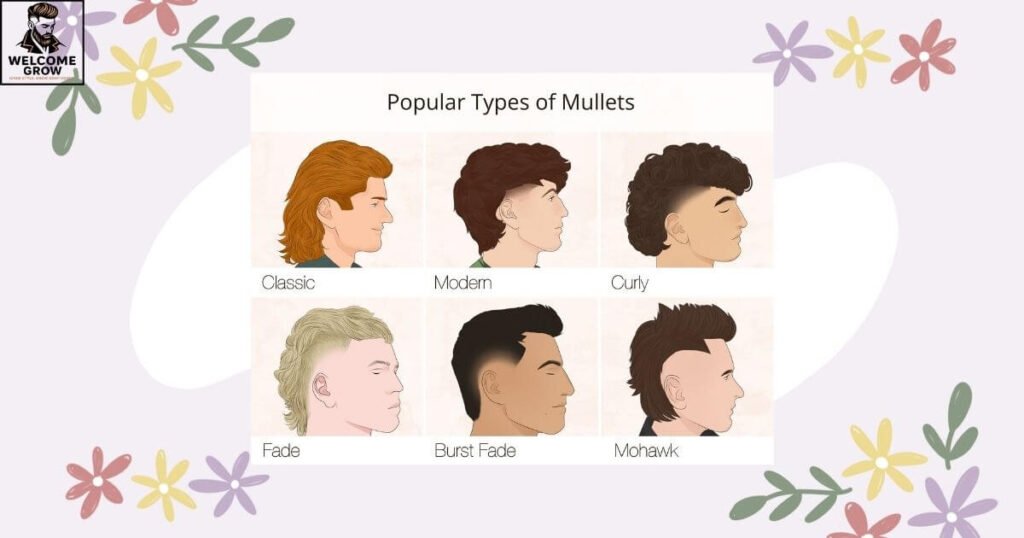
Key Mullet Terms
Point Cutting
A technique that creates soft, natural ends. Often used in textured mullet cuts.
Taper
A gradual shortening on the sides or neckline. A low taper works well for professional settings.
Fade
A more defined version of a taper that blends closely to the skin. It creates a strong contrast in a fade mullet.
Disconnected Layers
Layers that do not blend fully. This creates a bold disconnected mullet style.
Weight Line
The area where most thickness sits. Proper control prevents a bulky look.
Fringe
The front section of hair. A soft fringe shapes many modern mullet variations.
Small Table: Barber Terms vs Meaning
| Term | Meaning |
| Crown | Upper back area that adds height |
| Nape | Hairline near the collar |
| Blend | Smooth transition between lengths |
Learn the Language
Review these terms before your appointment to explain the mullet you want.
How to Get a Mullet: Complete Cutting Guide
Getting a Modern Mullet becomes simple when you understand the process. Those curious who search how to cut a mullet style at home or mullet cutting guide because knowing the steps builds confidence even if you plan to visit a professional. Understanding the method helps you communicate clearly during your appointment.
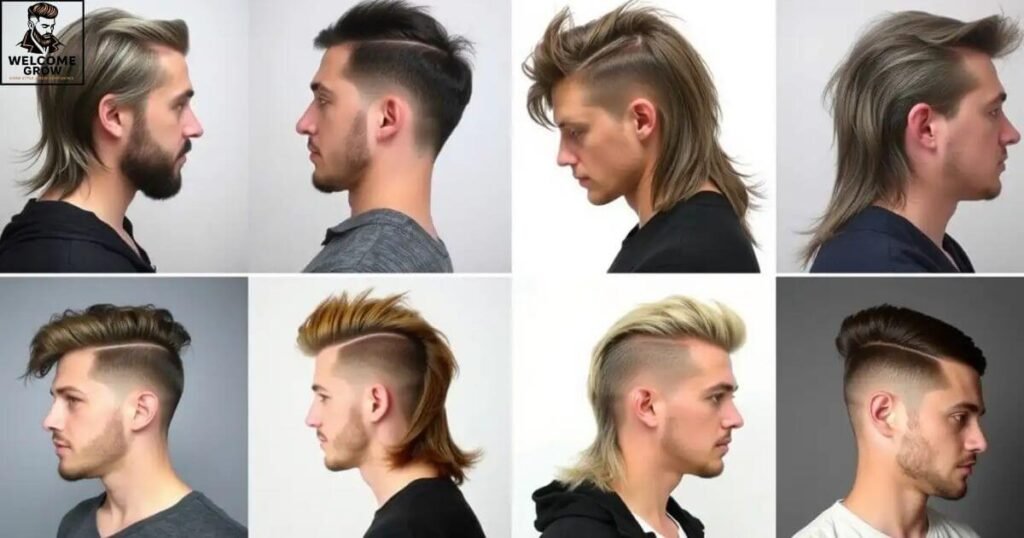
Time needed: 45 minutes
Tools Needed: Scissors, Comb, and Razor
Supplies Needed: Your regular styling hair product
Estimated Cost: 40$ to 70$ depending on barber and location
Steps to Get a Mullet
- Prepare Your Hair
Wash and dry your hair before the haircut. Bring clear reference photos that show the back length and side shape you want.
- Section the Hair
Divide the top, sides, and back into separate sections. This helps follow proper mullet sectioning and keeps the shape balanced.
- Cut the Top
Keep the top shorter. Use point cutting to add texture so the hair does not look flat.
- Shape the Sides
Taper or fade the sides depending on your lifestyle, workplace rules, or personal preference.
- Define the Back
The back stays longer. The final length depends on your choice from the mullet length guide.
- Texture and Finish
Use razor cutting or slide cutting to create smooth, flowing ends with natural movement.
Follow the Steps and Save this guide on your phone so you feel prepared at your next appointment.
Mullet Haircut Length Guide
Length is one of the most important factors in creating a Modern Mullet. Users frequently search how long should the mullet back be or short vs long mullet because each length creates a different style and personality. Choosing the right level helps match your face shape, routine, and confidence.
Length Options
Short Mullet
Around two inches in the back. This micro mullet looks clean and works well for students or office settings.
Medium Mullet
Usually three to five inches. This is the most balanced option in any mullet length by inches guide. It suits most face shapes and stays easy to style.
Long Mullet
Six inches or more in the back. This creates a bold rock-inspired look with maximum movement. It requires more styling but delivers strong visual impact.
Quick Table: Which Length Should You Choose
| Length | Best For |
| Short | Low-maintenance and school-friendly looks |
| Medium | Daily wear and versatile styling |
| Long | Creative or trend-focused styles |
Length Test
Use your fingers to measure where your hair touches your neck. This simple method helps you choose your ideal mullet length.
Understanding Mullet Proportions and Balance
A well designed Modern Mullet depends on good proportions. If the top, sides, and back do not match your features, the style can look uneven or heavy. Hair enthusiasts search for proper mullet distribution or mullet side-profile check because balance affects the entire look.
Key Proportion Rules
Top Length
The top influences how tall or flat your overall shape appears. Extra height helps balance round or wide faces.
Side Control
Light tapering on the sides prevents the bulky helmet effect. This keeps your mullet side profile clean.
Back Flow
The back should move naturally without clumping. The ideal length depends on your chosen mullet proportions guide.
Balance Table
| Area | What It Controls |
| Crown height | Vertical shape |
| Side taper | Clean outline |
| Back weight | Movement and flow |
Trust Tip
Ask your barber to check your cut from multiple angles. You can also use AI mullet proportion checker apps if you want a preview.
Balance First
Tell your stylist your main goal. Good proportions help your mullet look sharp from every angle.
Mullet Haircut Texture Techniques
Texture gives the Modern Mullet its natural movement and lively finish. A lot of readers search texturizing mullet haircut or mullet layering methods because the right technique changes how the hair falls and flows. Proper texture prevents a flat look and creates the signature mullet motion.
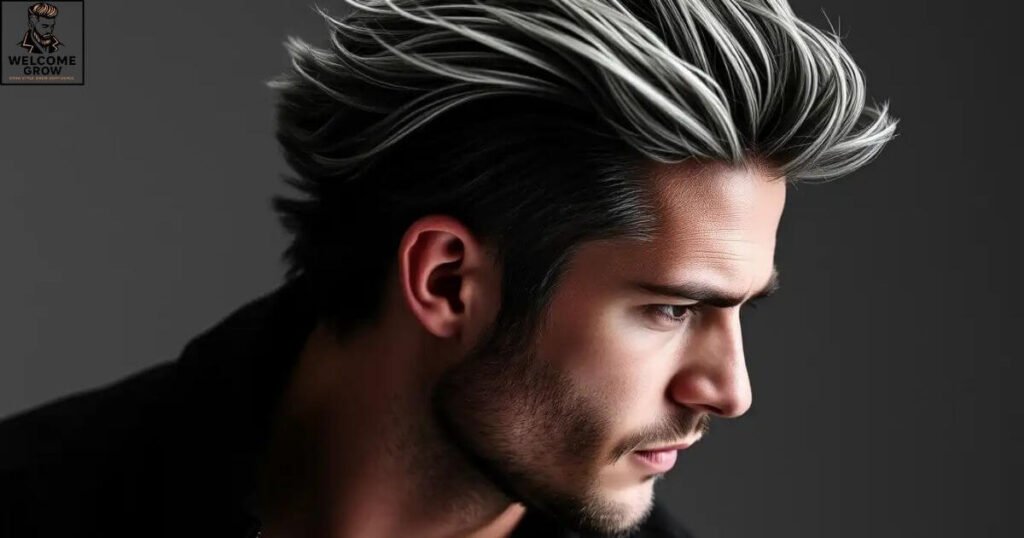
Common Texture Techniques
Point Cutting
Softens the ends and creates natural movement. This is a core technique in most textured mullet cuts.
Slide Cutting
Scissors slide gently through the hair to remove weight and add smooth flow.
Razor Cutting
A razor creates soft, feathered ends that match the wispy ends mullet trend.
Thinning Shears
Ideal for thick hair. These shears reduce bulk and help control mullet depth.
Texture Technique Table
| Technique | Best For |
| Point cutting | Airy, natural finish |
| Razor work | Soft feathered texture |
| Slide cutting | Smooth movement |
Expert Tip
Tell your barber whether you style your hair dry or damp. Texture behaves differently based on your routine.
Add Texture
Ask which technique suits your hair type. The right method makes your mullet stand out.
Conclusion
Understanding the Modern Mullet becomes much easier when you know how length, texture, face shape, and lifestyle come together. This guide walked you through every important step so you can make a confident choice without feeling overwhelmed. If you came here unsure about whether the mullet fits you, you now have a clear, simple path forward.
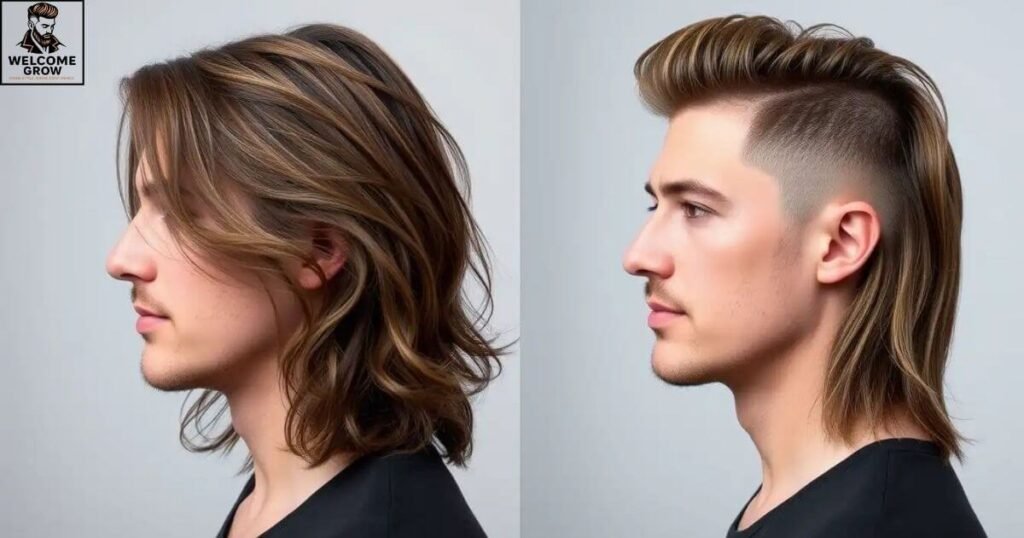
Everything shared comes from practical grooming experience, real stylist techniques, and common questions people ask before getting this cut. You can trust these tips because they focus on realistic results, not trends that disappear fast. When you understand the basics, you can talk with any barber and know exactly what you want.
If you feel inspired to try something fresh, now is a great time to explore your own Modern Mullet style. Take your favorite ideas, bring a few photos, and start the journey toward a look that feels bold and personal. You deserve a style that matches your confidence, and this is a great place to begin.
FAQs
A Mullet has softer blending, cleaner sides, and natural texture. It takes the classic short front and long back idea but updates it for current trends.
Yes. Most face shapes work with a mullet when the top height, fringe style, and back length are adjusted correctly. Oval, square, and diamond faces have the most flexibility.
Most people need a trim every six to eight weeks. If you prefer a longer back or heavier texture, you can push it to eight to twelve weeks.
Curly, wavy, straight, and coily hair all work. The haircut is customized based on texture, density, and movement.
Use a light product like sea salt spray or a texture powder. Scrunch the back for movement and brush the top for clean shape.
Most people need three to six months depending on their current length. The back grows fastest, while the top may need shaping during the process.
Yes. The Modern Mullet remains one of the biggest hairstyle trends, supported by TikTok, barbers, athletes, and Gen Z.